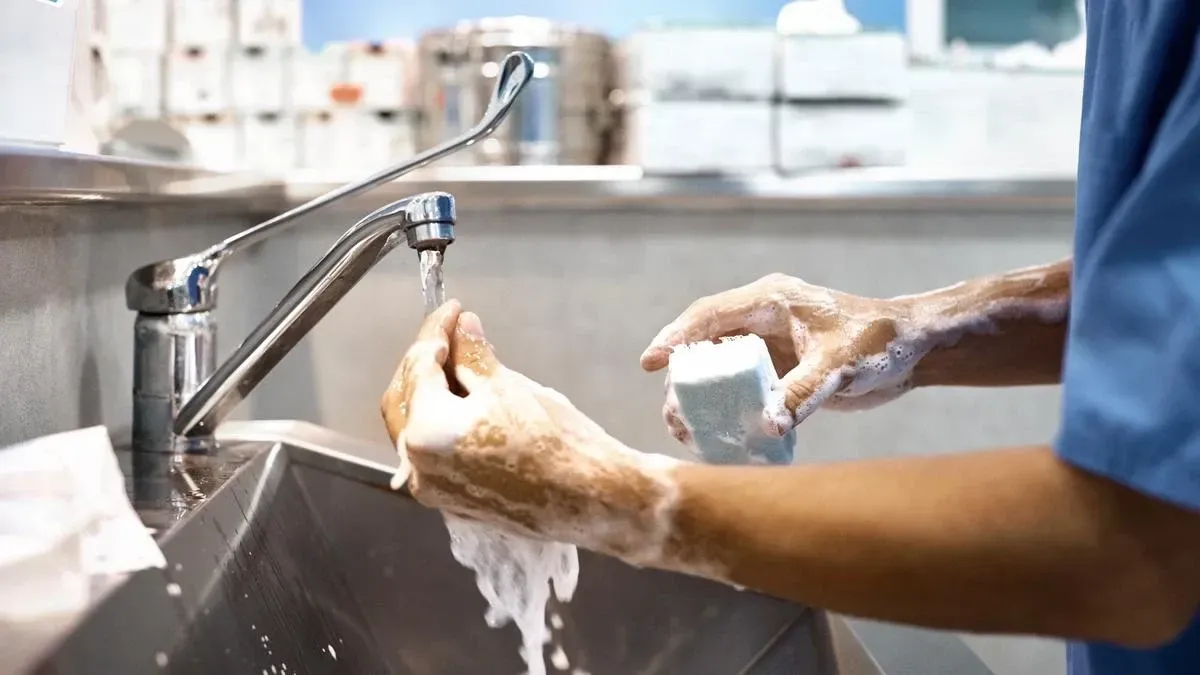
Hygiene First with hand washing stations in Central, PA for Events and Worksites
Is your setup really complete if proper hand washing access is missing from the start? It is something that often gets overlooked until people are already on-site and looking for a place to clean up. In outdoor environments across Central Pennsylvania, where permanent sinks are not available, adding hand-washing stations in Central, PA, becomes a necessary part of planning rather than an afterthought. It supports daily comfort and keeps the overall environment in better condition.
Across job sites and event spaces, hygiene expectations have changed. People notice when access is missing, and it affects how the entire setup feels. Whether it is a long shift at a construction site or a full-day gathering, having stations in place from the beginning helps maintain order and avoids last-minute adjustments that can disrupt the flow of the day.
Maintaining Clean Hands Across Busy Central PA Worksites and Event Grounds
In active environments, hand washing becomes part of the daily routine. Construction crews deal with dust, materials, and long hours, while event attendees move between activities, food areas, and shared spaces. Without proper access, maintaining cleanliness becomes difficult and inconvenient.
Adding hand-washing stations in Central, PA, helps create a setup where hygiene is easily accessible instead of being limited. It allows people to stay on-site while still having the ability to clean their hands when needed, which supports both comfort and organization throughout the day.
Consistent Hygiene Access in Areas Without Permanent Water Connections
Many outdoor locations across Central Pennsylvania do not have built-in plumbing, which makes portable options essential. In these situations, hand washing stations provide a direct way to maintain cleanliness without relying on external facilities.
From open job sites to temporary event grounds, these stations fill a gap that would otherwise create inconvenience. Having hand washing stations in Central, PA, already arranged ensures that access is not limited, even in locations where water connections are not available.
Placement That Keeps Stations Visible, Accessible, and Easy to Use
The effectiveness of a hand washing station depends heavily on where it is placed. If it is too far from where people are working or gathering, it becomes less useful. Proper placement ensures that access feels natural throughout the day.
Strategic Positioning That Encourages Frequent and Consistent Use
Before setup, the layout of the location is reviewed so stations can be placed in areas that support regular use without causing congestion.
The setup process typically includes:
- Placing stations near high-traffic zones, such as restroom areas or central activity points, so they are easily noticed and used regularly
- Ensuring the ground is stable and accessible so stations remain secure and usable throughout changing conditions
- Positioning units in locations that allow servicing access without interfering with ongoing work or guest movement
This type of planning ensures that stations are not only available but actively used.
Servicing That Keeps Water Flowing and Stations Ready All Day
Hand washing stations require ongoing attention to remain effective. Without proper servicing, water levels can drop, and cleanliness can decline, especially in high-use environments.
Regular servicing includes refilling clean water, removing waste water, and restocking supplies. This keeps conditions steady from the start of the rental period to the end. Whether the setup is short-term or extended, this process helps maintain usability throughout.
Configurations That Match Crowd Size and Daily Usage Needs
Not every setup requires the same number of stations. The size of the crowd, the duration of use, and the layout of the space all influence how many units are needed.
Matching Station Quantity and Layout to Real Usage Patterns
Choosing the right configuration ensures that stations are available without overcrowding or long wait times.
Key considerations include:
- Estimating the number of users and how often stations will be used during peak hours
- Distributing stations across the site so access remains convenient regardless of location
- Planning for longer durations where consistent access is required throughout the day
This approach helps create a balanced setup that supports hygiene without overcomplicating the layout.
Get Hygiene Setup in Place Before the First Arrival
Brannon’s Porta Pot Rentals, LLC & Septic Pumping approach hand washing station rentals with a clear understanding of how real sites and events operate throughout the day. From the moment a setup is scheduled, the focus stays on making sure access is available where it is actually needed, not just placed randomly. This helps avoid situations where people struggle to find proper hygiene access once things are already underway.
Planning your hand washing stations in Central, PA, ahead of time gives your setup a stronger foundation from the beginning. Brannon’s Porta Pot Rentals, LLC & Septic Pumping works around your layout and usage needs so everything fits naturally into your space. Reach out to arrange your booking and have your stations ready in the right places before the first person even steps on-site.
FAQs That Reflect Real Usage and Planning Questions
1. Why are hand-washing stations important?
They provide access to hygiene in locations without running water, helping maintain cleanliness throughout the day.
2. Where are they commonly used?
They are used on construction sites, outdoor events, and temporary locations where permanent facilities are not available.
3. Are they required for events?
They are often expected, especially at events involving food or larger groups, where hygiene access is important.
4. How often are they serviced?
Servicing is done regularly to refill water, remove waste, and maintain usability during the rental period.
5. Can I rent them long-term?
Yes, rentals can be arranged for both short-term events and longer projects, depending on the need.
Share On: